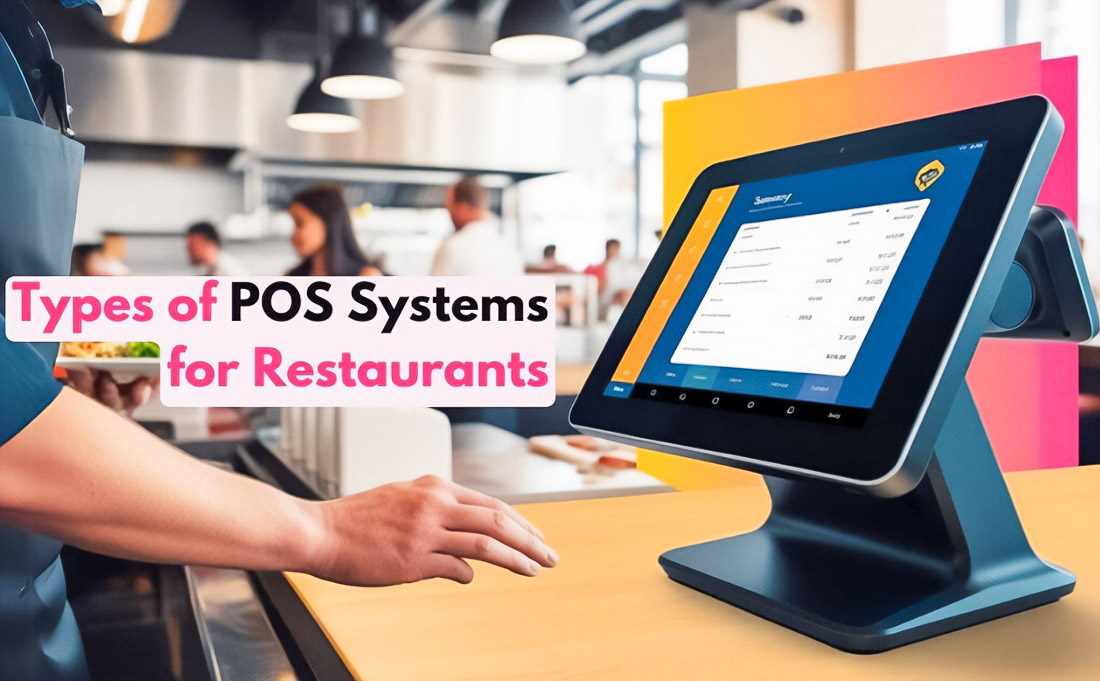
Digital signage works differently today than conventional posters or static media. The screen has become a tool that simultaneously shapes the buyer’s route, enhances perception, supports staff, demonstrates KPIs and helps manage the space. However, for this system to really work, it requires a combination of templates, automation, playlist optimization, dynamic content, correct dimensions, analytics, and proper display placement. Bright videos alone have not solved the problem of engagement for a long time, especially in places where dozens of visual stimuli compete.
Patterns, Readability, And Structure Of The Visual Field

Network efficiency starts with how the screen surface is organized. The templates define the framework: color schemes, header zones, CTA blocks, slideshow slots, or dynamic data. The structure reduces chaos and helps to hold attention, especially if the F-pattern is used, which relies on the natural movement of the gaze.
The 3×5 principle prevents text overload, and limiting the number of fonts keeps the image clean. Contrast enhances readability, especially at long distances. The orientation error is a classic problem: content created for a horizontal display loses its meaning on a vertical one. Therefore, checking resolution, orientation and preview from a distance of six meters becomes a mandatory step. The 16:9 and 9:16 templates eliminate critical distortions even before publication.
Playlists, Schedules, And Automation That Save Weeks
Proper rotation of content changes the perception of the screen from a “background” to an active tool. It is more effective to use short, contrasting messages in passageways; longer messages in waiting areas. Playlists should take into account the duration of the show, the order of creatives, the sequence of videos, and the logic of campaigns. This is where automation comes into play, allowing you to launch morning offers, seasonal blocks, or weekly promotions without operator involvement.
Recurring campaigns, daypart content, and pre-prepared templates help you work a month in advance. The system prevents errors: automatic updates eliminate outdated messages and free employees from manual edits. Interestingly, in retail, such flexibility increases efficiency by up to 25%, and 1 out of 5 customers makes an impulse purchase due to a visual trigger.
Statistics confirm the power of screens: about 70% of purchase decisions are made right at the point of sale, which makes a competent playlist more valuable than many offline tools.
Screen Placement, Dynamic Content, And Behavior Analytics

The point of installation affects perception no less than the content itself. The screen, located five meters from the entrance, gently attracts attention and does not put pressure on the visitor. The height of 1-1.5 meters allows you to use the display as a navigation signal. Shoppers in stores often move counterclockwise, which means that the sequence of screens must support this route.
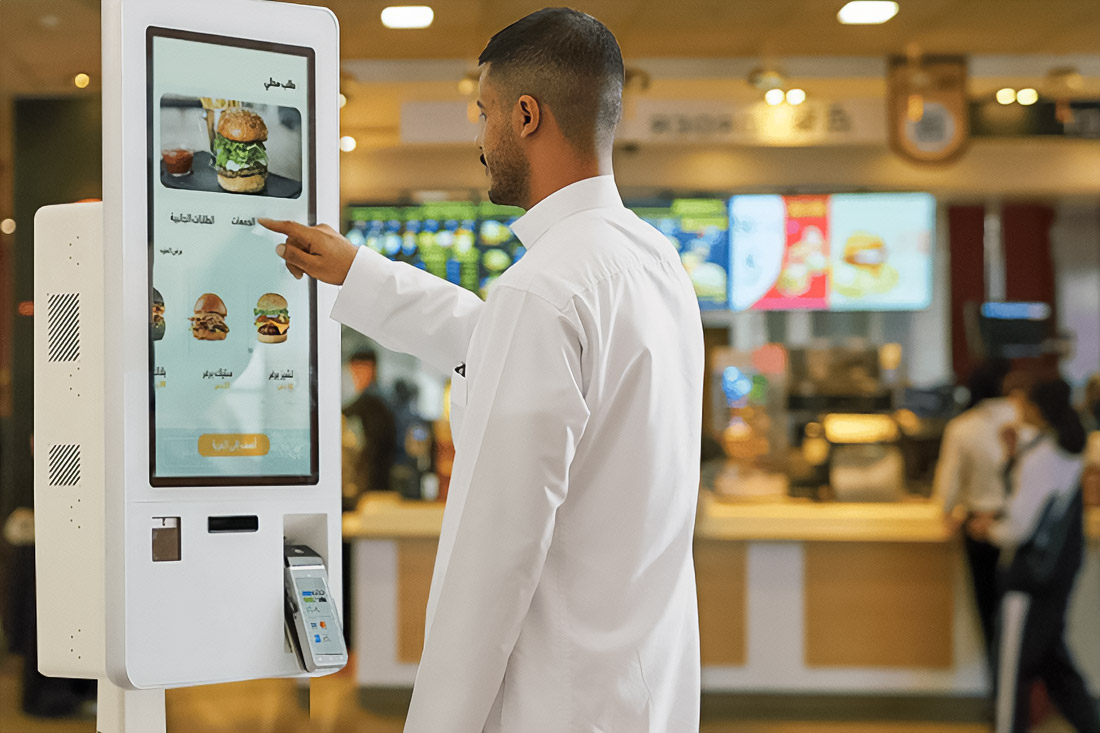
Dynamic menus in catering establishments increase margins by about 3%, and almost 30% of guests consider digital menus to be a significant choice factor. Interactive displays engage the viewer through touch scenarios, generating useful data for analyzing preferences.
The corporate environment also benefits: visualization of KPIs, NPS, and workflows makes communication more transparent, enhancing internal clarity in ways closely aligned with customer experience management principles. This is important, especially considering that 51% of employees feel weak engagement. Screens help keep the team focused, and regular content audits increase the relevance of messages.

Fixie owner, shiba-inu lover, record lover, reclaimed wood collector and TDC honorary member. Doing at the fulcrum of modernism and sustainability to craft experiences both online and in real life. Let’s design a world that’s thoughtful, considered and aesthetically pleasing.